Online gambling is one of the fastest-growing entertainment industries worldwide, with an estimated global market value surpassing $95 billion in 2023, according to Statista. As accessibility increases and technology evolves, millions of people log in daily to place bets, spin slots, or try their luck at digital card tables. Yet, despite its popularity, online gambling remains shrouded in myths and misconceptions that can lead both newcomers and seasoned players astray. Are online casinos really rigged? Can you get addicted after just one session? Is it impossible to win real money? In this article, we’ll separate fact from fiction and debunk some of the most common myths about online gambling, helping you make informed decisions in your digital gaming adventures.
Myth 1: Online Gambling Is Always Rigged Against Players
One of the most persistent beliefs about online gambling is that it’s “rigged” – that the software is programmed so players can never win. This misconception likely stems from the natural skepticism surrounding digital platforms, where complex algorithms, rather than human dealers, determine outcomes.
In reality, reputable online casinos use Random Number Generators (RNGs) to ensure fairness. These RNGs are regularly audited by independent third-party organizations such as eCOGRA, iTech Labs, and GLI. For example, eCOGRA-certified casinos must pass strict fairness tests, and the software is analyzed for any signs of manipulation. In 2022, the UK Gambling Commission reported that over 98% of licensed online casinos passed regular fairness audits.
Of course, like all forms of gambling, the house ultimately has an edge—this is called the “Return to Player” (RTP) percentage. For example, an online slot with a 96% RTP theoretically returns $96 for every $100 wagered over the long term. This does not mean every player will get back 96% of their money, but it does mean the games are not designed solely to drain players’ wallets.
Myth 2: Online Gambling Is Illegal Everywhere
Another widely held misconception is that online gambling is universally illegal or exists in a legal gray area. In actuality, online gambling laws vary dramatically depending on your country or even your state or province. Some countries, such as the United Kingdom, have robust licensing and regulation systems, ensuring player protection and fair play. The UK Gambling Commission, for instance, licenses over 2,500 online gambling operators as of 2023.
In other regions, such as parts of the United States, online gambling legality is determined at the state level. As of early 2024, online casino gambling is legal in seven U.S. states, including New Jersey, Pennsylvania, Michigan, and West Virginia. Meanwhile, countries such as Australia and Canada allow certain forms of online betting but restrict others.
To highlight these differences, here’s a brief comparison table:
| Country | Legal Status | Regulatory Body | Estimated Online Gambling Revenue (2023) |
|---|---|---|---|
| United Kingdom | Legal, regulated | UK Gambling Commission | $15.1 billion |
| United States | Varies by state | State Gaming Commissions | $12.5 billion |
| Canada | Legal, some restrictions | Provincial Authorities | $2.6 billion |
| Australia | Legal (sports betting, lotteries, some casino games) | Australian Communications and Media Authority | $4.3 billion |
| China | Illegal (except for state lotteries) | State Council | N/A (illegal market) |
Always check your local laws before playing, and only use platforms licensed in your jurisdiction.
Myth 3: You Can’t Win Real Money Online
Skepticism around winning real money online is common, especially given tales of scams or unpaid winnings. While it’s true that some rogue sites have scammed players, licensed online casinos are legally required to pay out winnings and honor player withdrawals. According to a 2023 report by the European Gaming and Betting Association, licensed operators processed over €15 billion in player payouts that year.
It’s also important to note that online casino games, sports betting, and poker all have documented big winners. In 2015, a British player won £13.2 million ($17.2 million) at an online slot machine—one of the largest single online gambling payouts ever recorded. Poker tournaments like the World Championship of Online Poker (WCOOP) regularly see players win millions.
However, as with any gambling, the odds favor the house or operator over time, and most players lose money. Responsible gambling is crucial; never bet more than you can afford to lose.
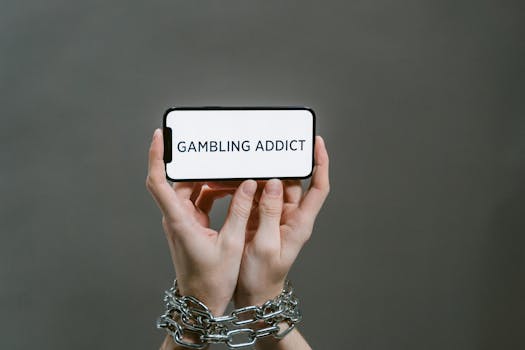
Myth 4: Online Gambling Is More Addictive Than Land-Based Gambling
The belief that online gambling is inherently more addictive than traditional casino gambling is widespread. This myth likely comes from the convenience and anonymity of online play, which can indeed increase risks for certain individuals. However, research paints a more nuanced picture.
A 2021 study from the International Gambling Studies journal found that while online gamblers may gamble more frequently due to convenience, the rate of problem gambling among online players is not significantly higher than among land-based gamblers. The study surveyed 5,000 participants and found that 2.7% of online gamblers met the criteria for problem gambling, compared to 2.4% for land-based gamblers—a statistically marginal difference.
Moreover, modern online casinos are required by law in many countries to offer responsible gambling tools. These include deposit limits, self-exclusion programs, reality checks, and access to problem gambling helplines. For instance, GamStop in the UK allows players to self-exclude from all licensed online gambling sites with a single registration.
Ultimately, addiction can occur in any gambling environment. The best defense is education, self-awareness, and the use of available tools.
Myth 5: Online Gambling Sites Are Unsafe and Will Steal Your Data
There is a persistent fear that online gambling platforms are unsafe, prone to hacking, and likely to misuse personal or financial information. While cybersecurity should always be a concern, licensed online casinos invest heavily in security measures to protect their customers.
According to a 2022 report by Cybersecurity Ventures, the online gambling sector spends over $1.2 billion annually on cybersecurity infrastructure. This includes SSL encryption (the same level of protection used by banks), two-factor authentication, and regular security audits. The vast majority of data breaches in online gambling have occurred at unlicensed or unregulated sites, not at reputable, regulated operators.
Players can protect themselves by: - Ensuring the site is licensed and regulated by a reputable authority - Checking for HTTPS and secure padlock symbols in the URL - Using strong, unique passwords and enabling two-factor authentication - Avoiding public Wi-Fi when accessing gambling accountsAlways do your due diligence—just as you would with online banking or shopping.
Myth 6: Winning Strategies and ‘Guaranteed Systems’ Exist
It’s easy to find websites, books, and videos promising “guaranteed” systems to beat the odds at online casino games. Whether it’s a roulette strategy or a slot machine system, these claims are almost always misleading.
Online casino games use Random Number Generators (RNGs) to ensure every outcome is independent and unpredictable. No system can alter the fundamental odds of games like slots, roulette, or blackjack. Even games with a skill element, such as poker or sports betting, require significant expertise and still involve risk.
For example, the Martingale betting system, which involves doubling your bet after every loss, is mathematically flawed because it does not change the house edge and can quickly lead to large losses or hitting betting limits. The UK Gambling Commission and many other regulatory bodies have published warnings about so-called “guaranteed” gambling systems.
The only way to increase your odds is to choose games with higher RTP percentages, learn optimal strategies for skill-based games (like blackjack or poker), and manage your bankroll responsibly.
Final Thoughts: Navigating Fact and Fiction in Online Gambling
Online gambling is a rapidly evolving industry, offering entertainment, excitement, and the potential for real winnings to millions around the world. Yet, the myths that surround it—ranging from fears of rigged games to misconceptions about legality or addiction—often cloud the reality.
By understanding how online casinos operate, recognizing the importance of regulatory oversight, and using responsible gambling tools, players can enjoy a safe, fair, and enjoyable experience. Always do your research, play within your means, and avoid falling for myths or “guaranteed” systems. The truth is, while online gambling carries risks (as all gambling does), knowledge and caution are your best allies.