The Fascinating World of Player Psychology: Why Do People Play in Online Casinos?
Online casinos have exploded in popularity over the past decade, with millions of players logging in daily from around the globe. According to Statista, the global online gambling market was valued at $63.53 billion in 2022 and is projected to reach $153.57 billion by 2030, growing at a CAGR of 11.7%. But beyond the shiny graphics, enticing bonuses, and vast selection of games lies a compelling question: Why are people so drawn to online casinos? The answer lies deep within the realm of player psychology.
Understanding the motivations and psychological triggers that drive people to play in online casinos offers fascinating insight—not only for industry professionals but also for players who want to better understand their own behavior. Let’s unravel the psychological forces at play, explore the needs online casinos fulfill, and examine how these platforms are designed to keep players coming back for more.
The Core Motivations: What Drives People to Play Online Casino Games?
At the heart of every online casino experience are core psychological motivators that tap into human nature. Researchers and psychologists have identified several key reasons people are drawn to online gambling:
1. The Thrill of Uncertainty: The unpredictability of games like slots, roulette, and blackjack triggers a rush of adrenaline. The brain releases dopamine, the “feel-good” neurotransmitter, when we anticipate a reward—even if the outcome is uncertain. This is similar to how our ancestors responded to unpredictable rewards in nature, such as hunting or foraging. 2. Escape and Entertainment: For many, online casinos provide a temporary escape from daily stress, boredom, or routine. According to a 2021 survey by the UK Gambling Commission, 60% of online gamblers cited entertainment as their primary reason for playing. 3. Social Interaction: While online gambling is often perceived as a solitary activity, many platforms feature live dealers, chat rooms, and multiplayer games. This interactive element satisfies our innate need for social connection, even in virtual form. 4. Financial Incentives: The prospect of winning money—whether it’s a small payout or a life-changing jackpot—remains a powerful motivator. According to the American Gaming Association, over 75% of casino players report that they play to win money, even if just occasionally. 5. Skill and Mastery: Games like poker and blackjack offer opportunities to develop and showcase skill, strategy, and knowledge. The sense of achievement and mastery appeals to those with a competitive streak.The Science of Rewards: How Online Casinos Engage the Brain
Online casinos are expertly designed to harness the brain’s reward system. Every spin, card dealt, or dice roll is accompanied by vivid graphics, upbeat sounds, and visual cues—all engineered to maximize excitement and anticipation.
Dopamine Release and Variable Rewards
Dopamine is central to the experience. Unlike predictable rewards, variable rewards—where outcomes are random or uncertain—cause the brain to release more dopamine. This principle, known as “intermittent reinforcement,” is the same mechanism that keeps people glued to slot machines or video games.
A study published in the journal “Nature Neuroscience” found that unpredictable rewards activated the brain’s reward circuits more strongly than predictable ones. Online casinos leverage this by creating games where wins are random and unpredictable, keeping players engaged and coming back for more.
Reward Structures and Bonus Systems
Online casinos frequently offer bonuses, free spins, loyalty programs, and progressive jackpots. These incentives are carefully structured to keep players playing longer and returning more often. For example, a 2022 analysis by Gambling Insider revealed that players who received bonuses were 47% more likely to return to an online casino within a week than those who did not.
Online vs. Land-Based Casino Psychology: What’s Different?
While both online and land-based casinos tap into similar psychological triggers, there are notable differences in how they engage players.
| Aspect | Online Casinos | Land-Based Casinos |
|---|---|---|
| Accessibility | Available 24/7 from any device, anywhere | Requires travel and physical presence |
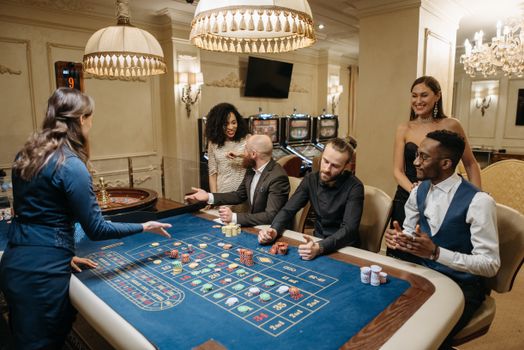
| Social Interaction | Virtual chat, live dealers, multiplayer games | Face-to-face interactions with other players and staff |
| Game Variety | Thousands of titles, instant switching | Limited by physical space |
| Reward Systems | Frequent bonuses, loyalty programs, gamification | Comps, VIP access, physical rewards |
| Privacy | Play anonymously, control environment | Public, social environment |
The convenience and privacy of online casinos mean players can gamble at their own pace and comfort, free from social pressure. This can lead to longer play sessions and, for some, a greater risk of problem gambling. In contrast, land-based casinos offer a more immersive, multi-sensory experience that relies heavily on social cues and environmental factors.
Personality Traits and Player Types: Who Plays and Why?
Not all players are the same. Different personality traits influence why and how individuals engage with online casinos. Psychologists have identified several common player types:
- The Social Gambler: Plays primarily for interaction and community. Enjoys live dealer games and chat features. - The Escape Artist: Uses gambling to relieve stress, boredom, or emotional distress. Tends to favor games that require little skill or concentration. - The Professional: Approaches gambling as a skill-based endeavor, often focusing on games like poker or sports betting. - The Thrill Seeker: Enjoys the rush of risk and uncertainty, gravitating towards high-volatility slots or big-bet games. - The Casual Player: Sees online casinos as a form of entertainment, playing occasionally without strong emotional investment.A 2020 study published in the “Journal of Gambling Studies” found that approximately 23% of online gamblers fit the “thrill seeker” profile, while 34% identified mainly as “casual players.” Understanding these profiles helps both casinos and players create safer, more enjoyable experiences.
The Impact of Design: How Online Casinos Shape Player Behavior
The design of online casino platforms is far from accidental. Every element—from color schemes to sound effects—is meticulously crafted to maximize engagement and retention.
Gamification and Progression
Modern online casinos incorporate elements from video games, such as achievements, leaderboards, and progress bars. Gamification taps into our desire for accomplishment and recognition. For example, a 2023 report by EGR Intel found that games with progression features had 56% higher player retention rates than those without.
User Experience and Accessibility
Intuitive interfaces, fast loading times, and mobile optimization make it easy for players to jump in and play at any time. “One-click” deposits and frictionless gameplay reduce barriers, making it more likely that players will stay engaged.
Sensory Stimulation
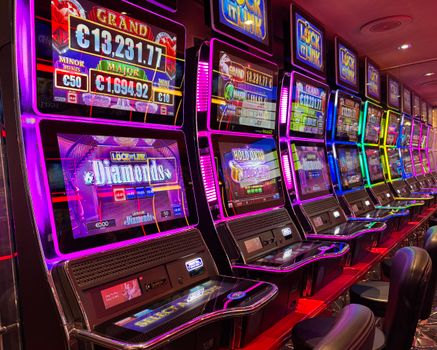
Vivid graphics, celebratory animations, and sound effects reinforce wins and keep players emotionally invested. Even near-misses—when a player almost wins—are designed to feel exciting, encouraging continued play.
Risks and Responsible Gaming: Recognizing the Dark Side
While online casinos offer entertainment and excitement, their psychological appeal can also lead to problematic behavior for some individuals. The accessibility and anonymity of online gambling increase the risk of excessive play and addiction.
According to the National Council on Problem Gambling, approximately 2-3% of US adults meet the criteria for problem gambling. Warning signs include chasing losses, neglecting responsibilities, and an inability to stop gambling.
Many reputable online casinos now offer responsible gaming features, such as deposit limits, self-exclusion tools, and reality checks. Education and self-awareness are key—knowing the psychological triggers at play can help individuals make informed, healthy choices.
Final Thoughts on Player Psychology in Online Casinos
The psychology behind why people play in online casinos is a complex blend of biological, emotional, and social factors. From the thrill of uncertainty and the allure of big wins to the comfort of escape and the joy of social interaction, these platforms are expertly crafted to engage the mind and senses.
As online gambling continues to grow, understanding player psychology is essential—not only for the industry but also for individual players seeking a safe and enjoyable experience. By recognizing what motivates us and how game design shapes our behavior, we can make smarter choices and appreciate the fascinating science behind the world of online casinos.