The Mystery of In-App Purchases in Mobile Gaming Revenue
Mobile gaming has become a cultural and economic phenomenon in the last decade. With over 3 billion smartphone users globally as of 2023, the mobile games industry has exploded in size and scope. While the games themselves are often “free-to-play,” the real business engine driving this multi-billion dollar sector is something less visible: in-app purchases (IAPs). But how do these microtransactions work, who spends money, and what makes them so mysteriously effective at generating revenue? Let’s unravel the secrets behind in-app purchases and their pivotal role in mobile gaming revenue.
The Rise of Mobile Gaming and the Free-to-Play Model
The traditional model of buying a game upfront has all but vanished from mobile platforms. Today, the vast majority of mobile games are free to download and play. According to Statista, in 2022, 96% of all mobile app revenue worldwide was generated by free-to-play games through in-app purchases and ads, while only 4% came from paid downloads.
This shift was driven by both user behavior and developer strategy. Most players are unwilling to pay upfront for a game, but are happy to try it for free. Developers, in turn, realized they could reach a much larger audience by removing the upfront cost and instead monetizing a fraction of players through in-app purchases such as extra lives, special characters, or cosmetic upgrades.
The result has been staggering: in 2023, the global mobile gaming market was valued at $90 billion, with in-app purchases accounting for nearly 60% of this revenue, according to data from Sensor Tower and App Annie.
Understanding In-App Purchases: What Are People Buying?
At its core, an in-app purchase is a transaction within a mobile game that unlocks digital goods, boosts, or content. But not all IAPs are created equal. They typically fall into three main categories:
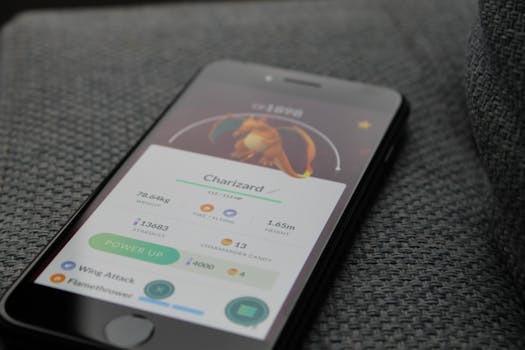
1. Consumables: Items that can be used once and then disappear, such as extra lives, energy, or in-game currency. 2. Non-consumables: Permanent unlocks, such as new levels, ad removal, or character skins. 3. Subscriptions: Recurring payments for ongoing benefits, like a monthly supply of in-game currency or access to exclusive events.Some of the most successful games have mastered the art of combining these types seamlessly. For example, “Clash of Clans” and “Candy Crush Saga” entice players with consumable power-ups, while games like “Pokémon GO” offer both consumables and non-consumables (such as expanded storage or cosmetic outfits).
Interestingly, the average spend per paying user (ARPPU) is relatively high, even though the majority never make a purchase. According to GameRefinery, in 2022, only around 2-5% of players in free-to-play mobile games spent money, but those who did spent an average of $20-40 per month.
The Psychology Behind In-App Purchases
Why do people spend real money on digital goods that have no value outside the game? The answer lies in smart game design, behavioral psychology, and the art of “nudging” players.
Mobile games use a variety of psychological triggers to encourage spending:
- Scarcity and urgency (limited-time offers, flash sales) - Progression and achievement (unlocking new abilities or characters) - Social competition (leaderboards, gifting) - Loss aversion (avoiding setbacks by buying extra lives)For example, a player might be offered a special bundle only available for the next 30 minutes after failing a difficult level. This blend of frustration relief and limited-time pressure frequently leads to impulse purchases.
Additionally, the use of in-game currencies (like gems or coins) distances players from the feeling of spending real money, making them more likely to part with small amounts in the heat of the moment.
Who Spends on In-App Purchases? The “Whales” and Beyond
Despite the massive revenue generated by IAPs, only a small fraction of players actually ever make a purchase. Industry data consistently shows that roughly 95-98% of players never spend any money. The remaining 2-5% account for nearly all the revenue, with an even smaller subset known as “whales” driving the majority of spending.
A 2022 report from Liftoff and Adjust found that:
- About 3% of players in North America make in-app purchases. - Of those, the top 10% of spenders (the “whales”) are responsible for up to 70% of total IAP revenue.These whales can spend hundreds or even thousands of dollars per year on their favorite games. Their motivation? Sometimes it’s the thrill of competition, other times it’s the pursuit of completion or status within a community.
Here’s a comparative table summarizing player spending behavior in mobile games:
| Player Category | % of Total Players | % of Total Revenue | Average Spend/Year |
|---|---|---|---|
| Non-spenders | 95-98% | 0% | $0 |
| Casual Spenders | 2-4% | 30-40% | $20-200 |
| Whales | 0.1-0.5% | 60-70% | $500-$5,000+ |
Regulation, Ethics, and the Controversy of In-App Purchases
The immense success of IAPs has also sparked controversy and regulatory scrutiny. Critics argue that some games, particularly those targeting children, use manipulative tactics reminiscent of gambling. “Loot boxes,” randomized digital rewards that can be purchased repeatedly, have drawn especially harsh criticism.
In response, countries like Belgium and the Netherlands have banned loot boxes in games outright, while others, like the United Kingdom, have conducted formal investigations into their impact on minors.
Apple and Google have introduced stricter rules for app store listings, requiring clear disclosure of IAPs and parental controls. The Entertainment Software Rating Board (ESRB) also labels games with in-app purchases to alert parents.
On the ethical front, developers are increasingly aware of the balance between monetization and player satisfaction. Some studios offer “fair play” guarantees, ensuring all content can be earned through gameplay, while others provide refund policies or spending limits to protect vulnerable users.
The Future of In-App Purchases and Mobile Gaming Revenue
As mobile gaming continues to mature, the landscape of in-app purchases is evolving. Subscription models are gaining traction, with Apple Arcade and Google Play Pass offering ad-free gaming for a monthly fee. Hybrid monetization strategies, combining ads, IAPs, and subscriptions, are becoming standard.
Augmented reality (AR) and live-service games add new dimensions for monetization. For instance, “Pokémon GO” earned over $1.3 billion in 2023 alone, driven by both in-app purchases and real-world events.
Personalization is also on the rise. Advanced analytics enable developers to tailor offers, prices, and content to individual user behavior, maximizing engagement and revenue while aiming to avoid alienating their audience.
Ultimately, as technology advances and player expectations rise, the mystery of in-app purchases may become less about “how much can we earn?” and more about “how can we deliver value that players truly want to pay for?”
Conclusion
In-app purchases have transformed mobile gaming from a niche pastime into a global powerhouse, generating billions in revenue each year. Their success is rooted in a blend of free-to-play accessibility, clever psychology, and a deep understanding of user behavior. While not without controversy, IAPs have enabled developers to reach massive audiences and offer ongoing content and innovation.
As the industry faces new regulatory and ethical challenges, the future will likely favor models that balance profitability with transparency and player trust. One thing is certain: the mystery of in-app purchases is ever-evolving, and their influence on mobile gaming revenue shows no sign of disappearing.